Category: Early Showa

The International Realignment, Part 2

The Empire of Japan’s decision to break with liberal democracies in favor of rising fascist powers was driven, in part, by the successes enjoyed by said fascist powers throughout the 1930s. In this episode, we discuss how their leaders managed to consolidate that power in the first place.

The International Realignment, Part 1

After alienating the western liberal democracies with whom they had previously enjoyed friendly relations, the Empire of Japan began exploring new friendship and alliances with the growing fascist powers which were emerging in Europe.

The Great Withdrawal

Following its investigation into the Mukden Incident and subsequent Japanese occupation of northeast China, the League of Nations demands that Japan withdraw its troops and return the territory they’ve seized. Japan responds by withdrawing from the League of Nations.

The Making of Manchukuo

Three years after the assassination of Zhang Zuolin and attempted framing of the KMT, a group of higher-ranking officers within the Kwantung Army staged another false flag attack, which resulted in their conquest of northeast China and the establishment of the puppet state of Manchukuo.

The Frame-up

In 1928, a group of officers in the Kwantung Army attempted to frame the KMT for their own assassination of Zhang Zuolin. The failed attempts to enforce accountability and discipline which followed set the stage for similar incidents in the future.

The Great Crash

Two years prior to the much larger Great Depression, Japan experienced its own financial crisis thanks to the Great Kanto Earthquake, government bonds, and a panicky populace.

Reaction and Repression

Season 15, Episode 1: Reaction and Repression
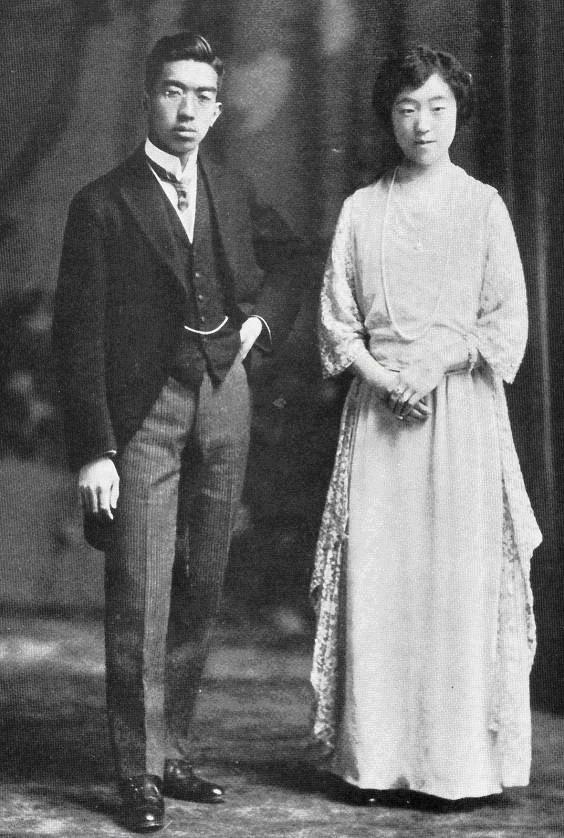
Emperor Hirohito with his wife Empress Kōjun after their wedding in 1924. Source: Public Domain
A photograph from Emperor Hirohito’s enthronement ceremony at Shishinden Hall. Source: Public Domain
The official portrait of Emperor Hirohito from 1928. Source: Public Domain
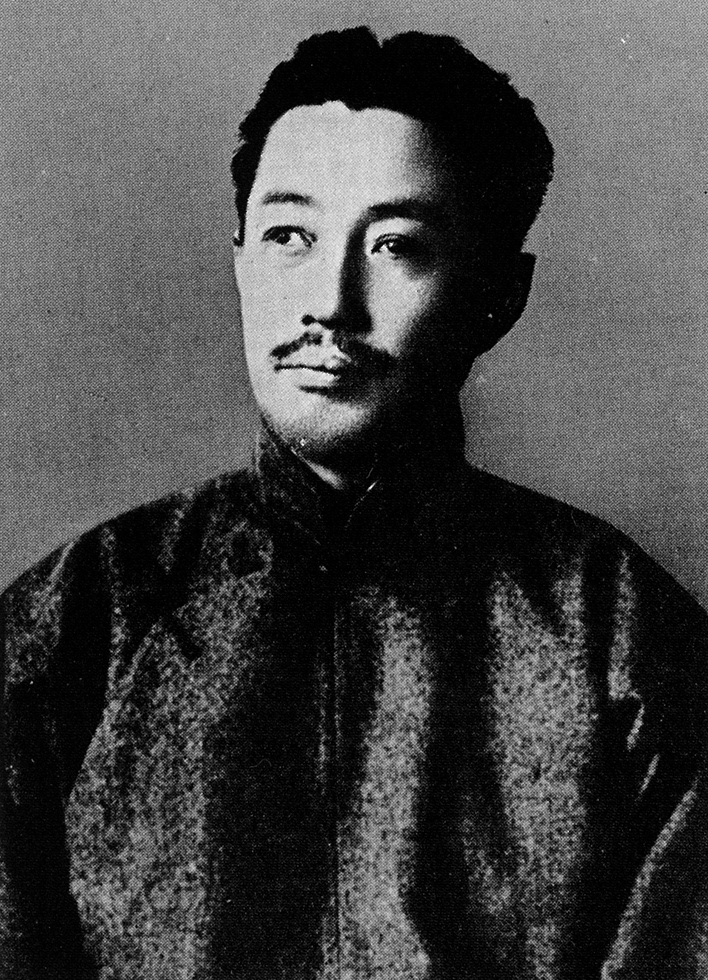
A photograph of Kita Ikki, whose national socialist ideology was rapidly spreading among officers’ reading groups in both the Imperial Japanese Army and Imperial Japanese Navy. Source: Public Domain