The final battles of Taira Masakado after his 939 consolidation of Kantō. Original Map Source: Ash_Crow, CC BY-SA 3.0 http://creativecommons.org/licenses/by-sa/3.0/, via Wikimedia Commons
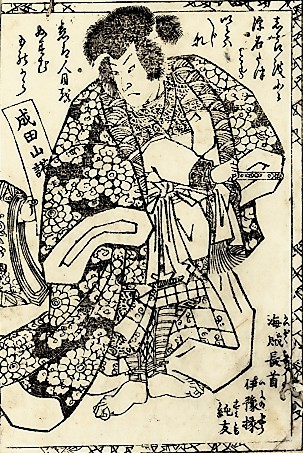
Taira Masakado’s spooky daughter Takayasha-hime, holding a bell and a sword. The frog in the upper left corner, next to Masakado himself, is a verbal pun as the word KAERU can mean “frog” or “to return.”
Season 5, Episode 15: Sugawara Michizane’s Revenge
The Dazaifu-Tenmangu Shrine, which features a beautiful cypress thatched roof and delicate decorative inlays. Source: Jakub Hałun, CC BY-SA 4.0 https://creativecommons.org/licenses/by-sa/4.0, via Wikimedia Commons
The “Flying Plum” Tree on the grounds of Dazaifu-Tenmangu Shrine. This is allegedly the plum tree which Sugawara Michizane wrote his famous poem to, and according to legend the tree flew to Dazaifu from Kyoto in order to be with its master. Source: Created by David Chart, 7 March 2004
The local specialty of the Dazaifu-Tenmangu shrine – a baked plum treat called an Umegaemochi! Source: Public Domain
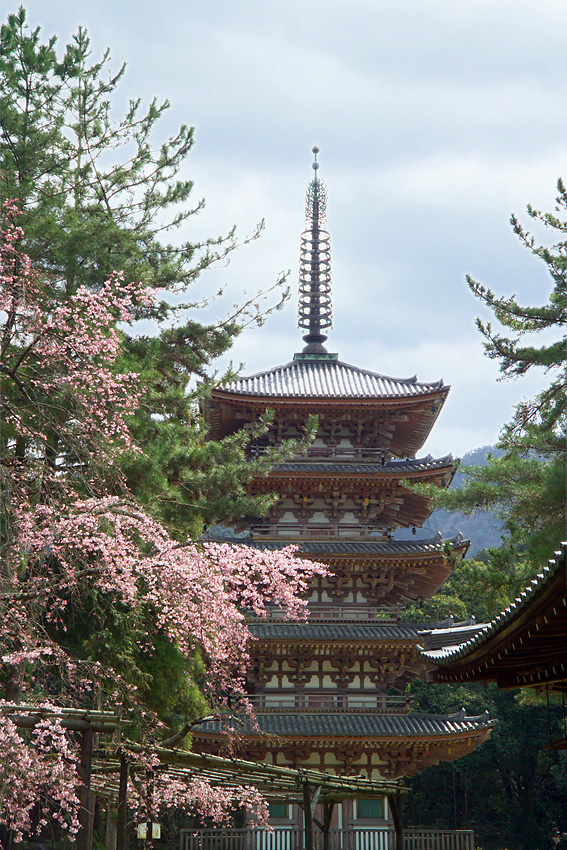
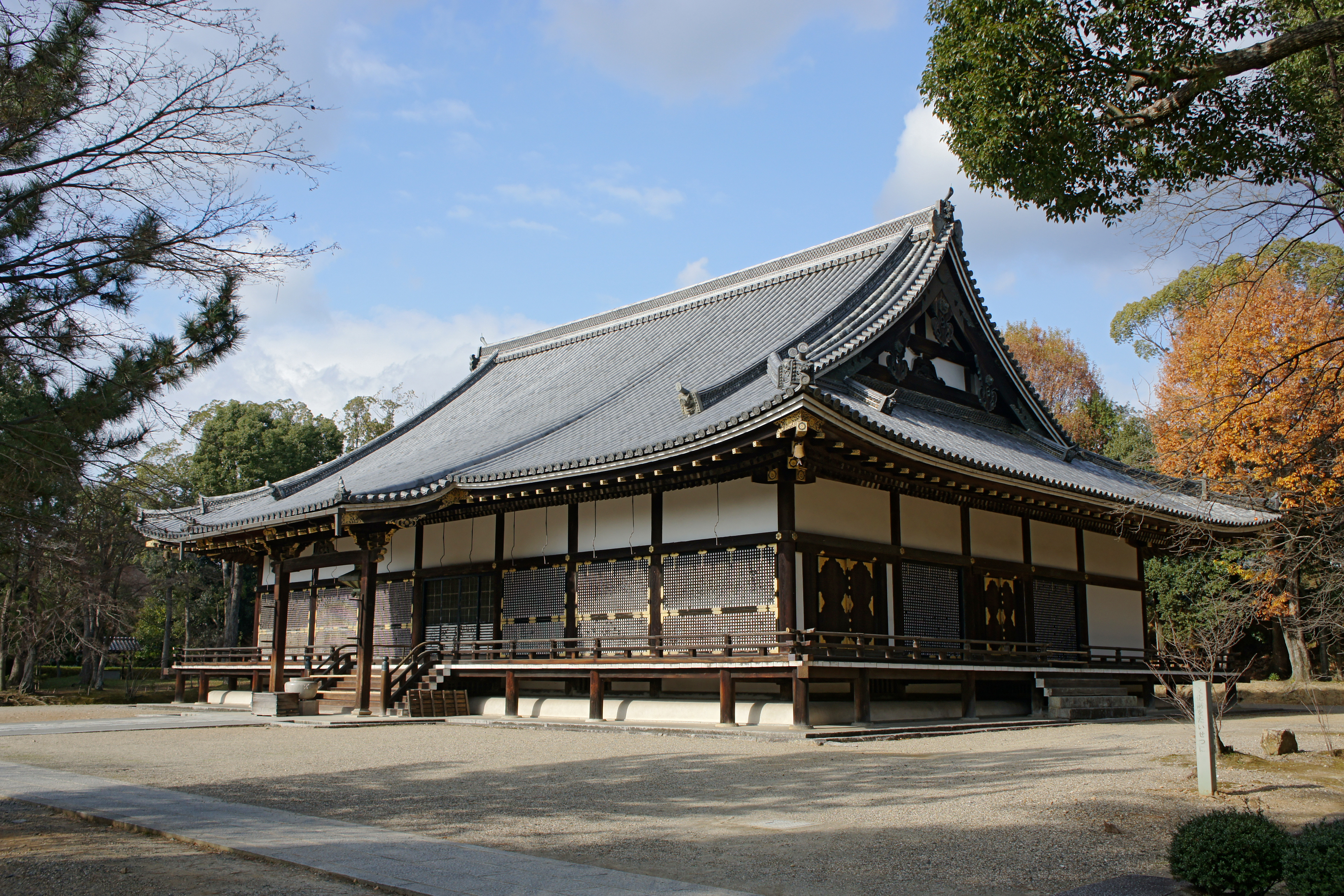
The pagoda standing at Daigo-ji temple, the complex for which Emperor Daigo was posthumously named. Source: Public Domain
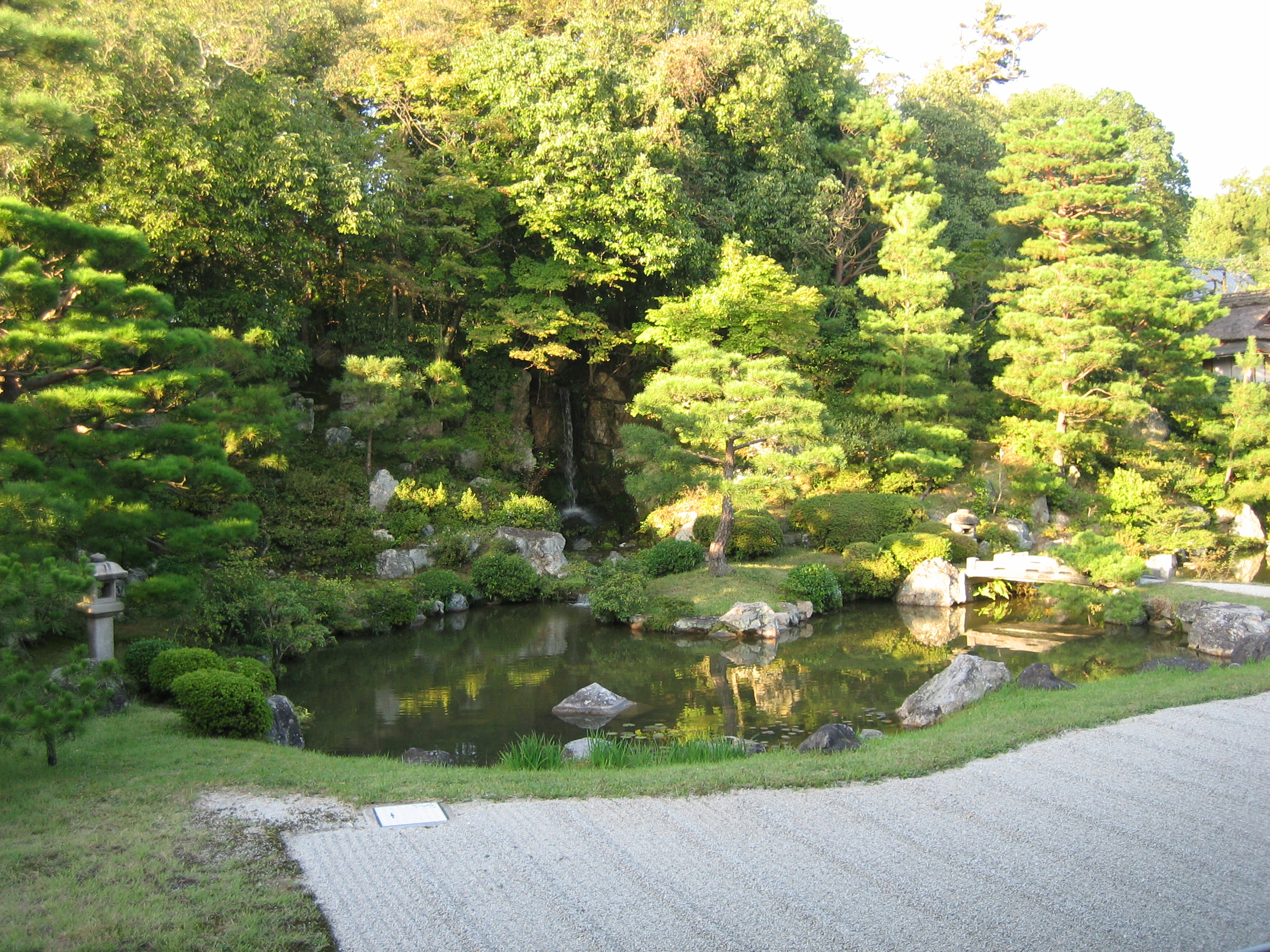
Some of the gardens on the temple grounds, which look like a nice tranquil space for contemplation. Source: Feitclub at the English-language Wikipedia, CC BY-SA 3.0 http://creativecommons.org/licenses/by-sa/3.0/, via Wikimedia Commons
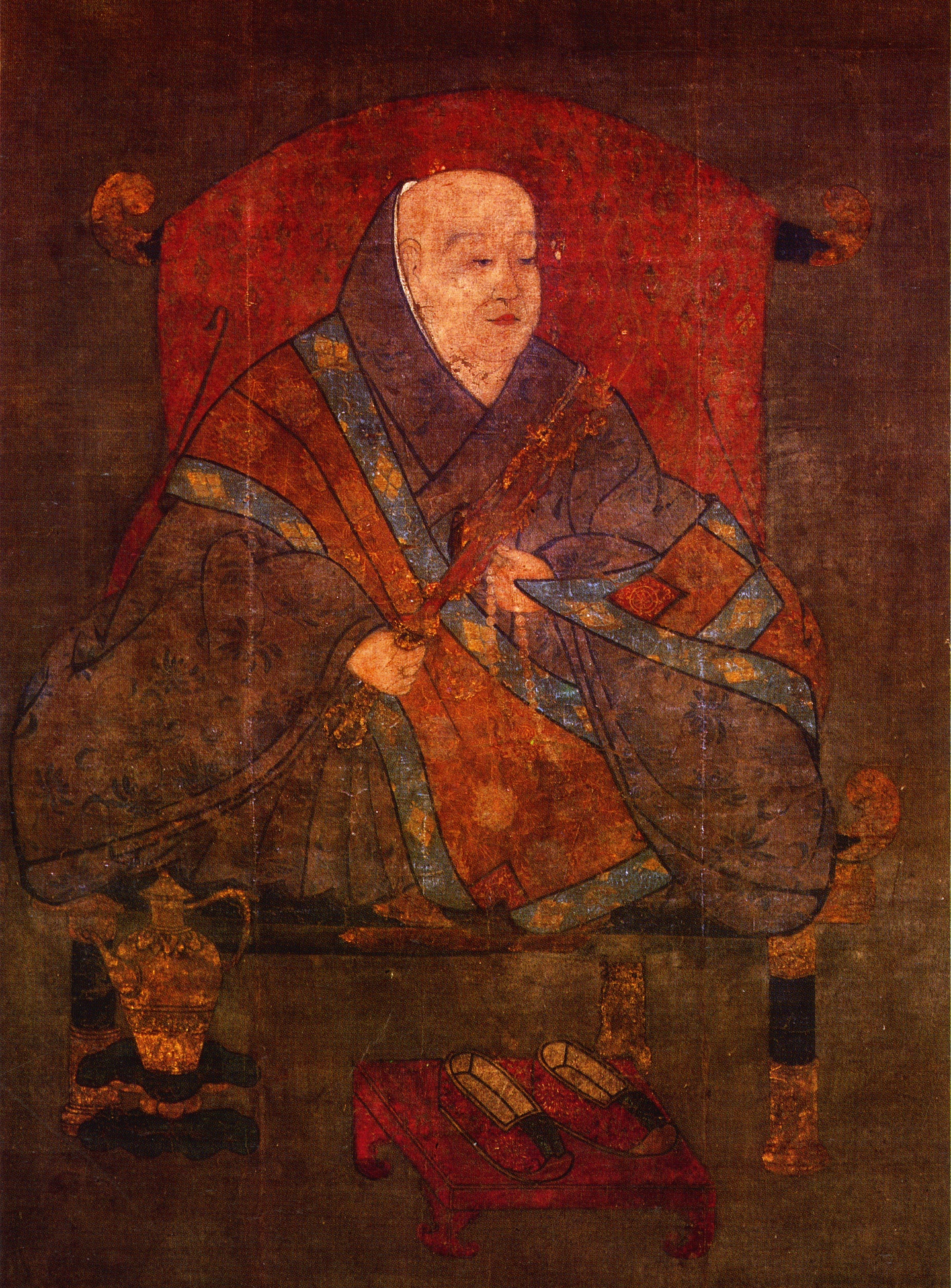
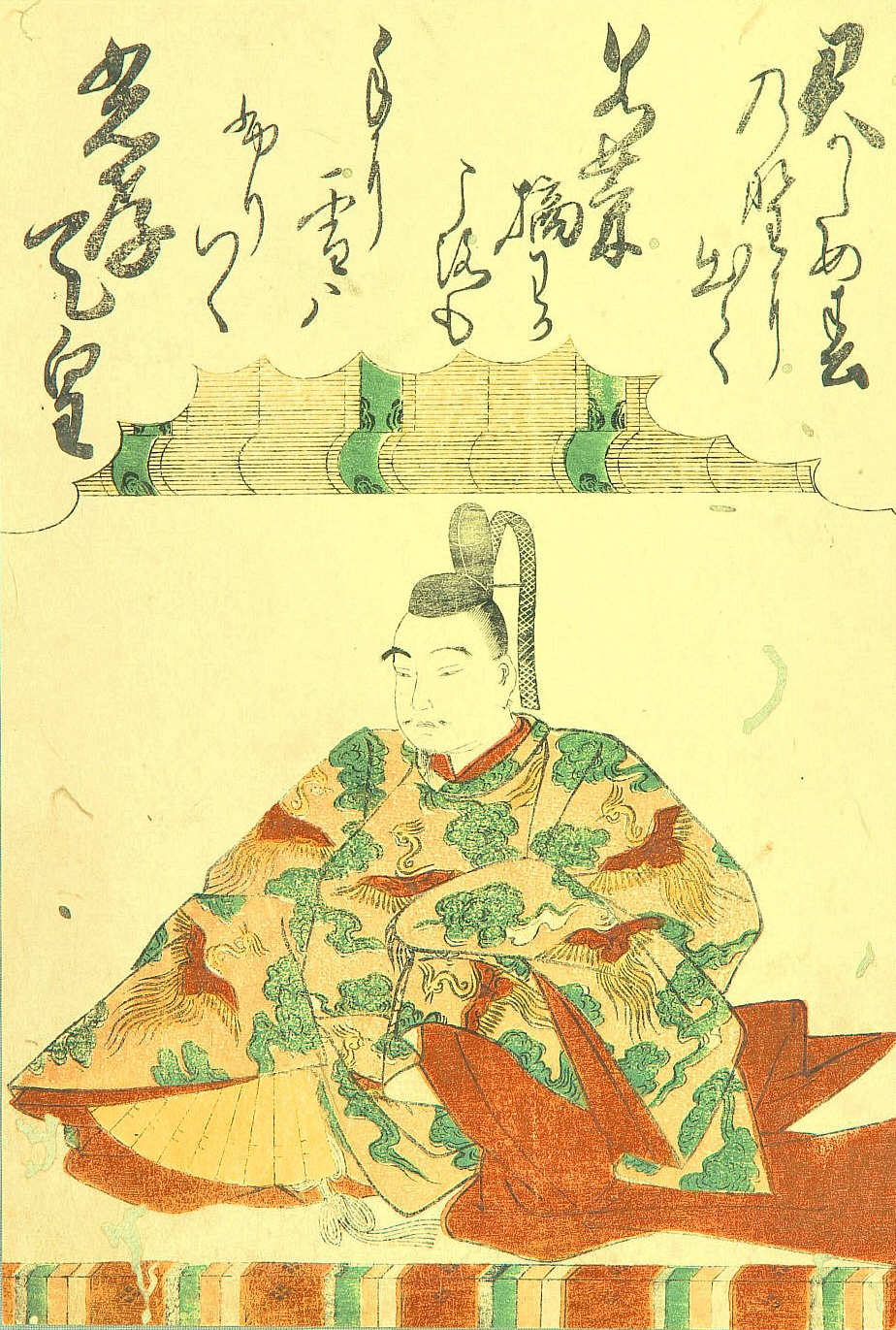
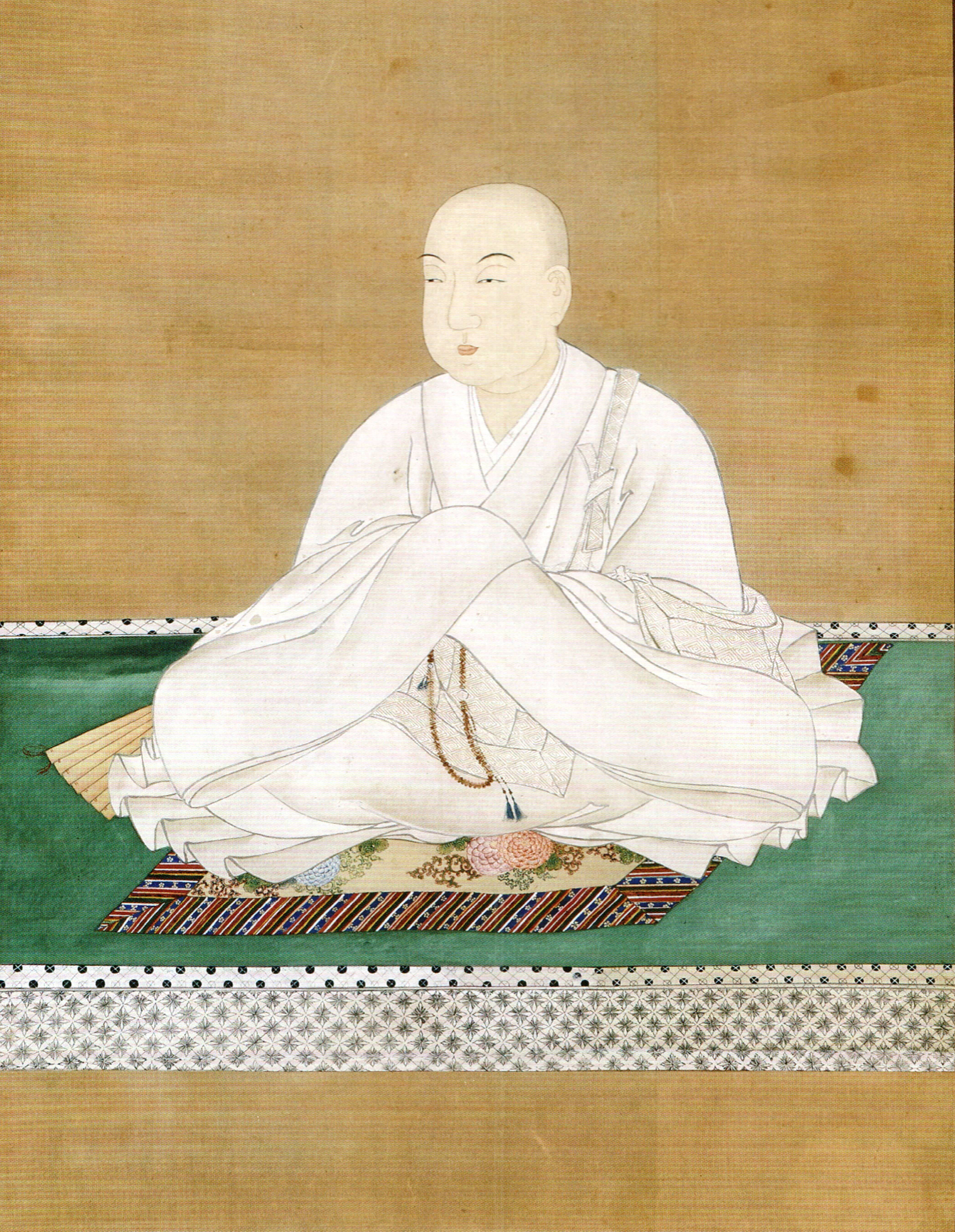
A portrait of Emperor Seiwa, the first child Emperor. His ascension marks the first appointment of a regent who was not a member of the Royal family. Fujiwara Yoshifusa served as Sesshō, a regent who governs on behalf of a child. Source: Public Domain
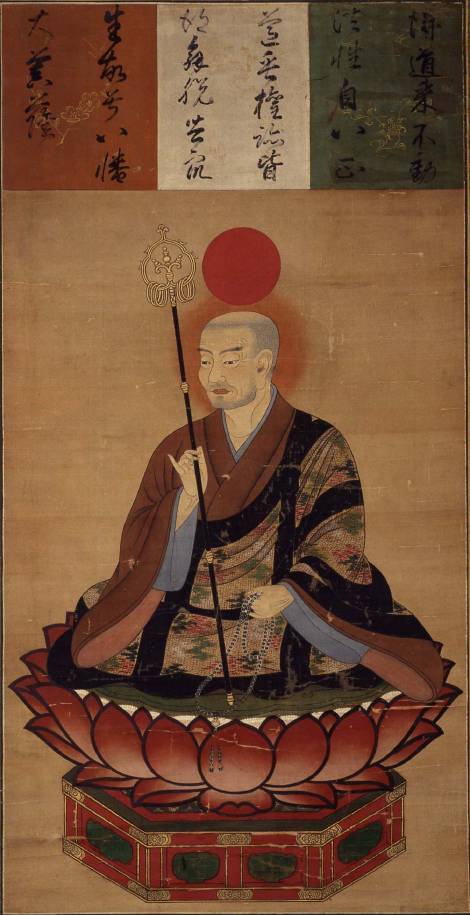
The kami Hachiman, here portrayed sitting upon a lotus blossom in his syncretized form as a Boddhisattva. In his left hand he holds a mala bracelet for keeping track of mantra recitation, and in his right hand he holds a shokujō, a staff wielded by traveling Buddhist priests to protect themselves from wild animals. Source: Public Domain
The Iwashimizu-Hachimangū Shrine in modern-day Kyoto. It probably looked much different in its original construction, and has been rebuilt many times over the centuries. Source: Public Domain
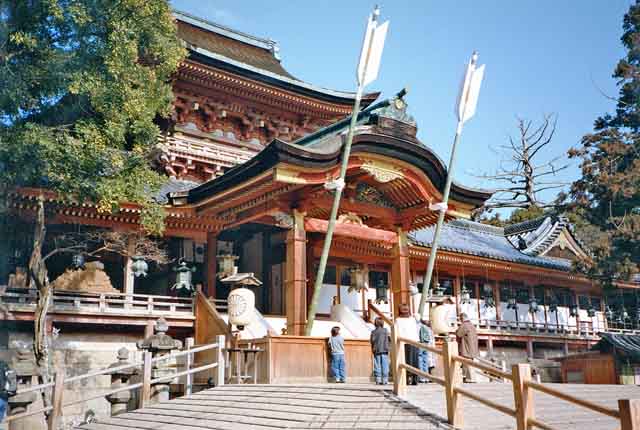
A portion of the Isaniwa Shrine on Shikoku Island, a fine demonostration of the Hachiman-zukuri style I mentioned in today’s episode. While at first glance the object in the center appears to be two buildings, it is actually a single structure with two tandem roofs. Source: Public Domain
What remains today of the island fortress of Cheonghaejin, Jang Bogo’s base of operations. While the trees have overgrown the rammed-earth walls, this picture gives some sense of how formidable the structure would have looked to marauding pirates. Source: Public Domain
The Royal Flag of the Goryeo Dynasty, featuring a Phoenix bird in flight. I think we can all agree that it is a pretty sweet flag. Source: Public Domain











Recent Comments